
About UsFosteringCan I Foster?Find an AgencyFAQsEnquire Now
How to become a foster carer UK - the fostering process

How to Become a Foster Carer

Your step-by-step guide to the fostering process

Becoming a foster carer is a significant and life-changing decision for both you and your family. That is why we are here to support you every step of the way. From the moment you enquire to the day you welcome a child into your home, we will guide you through the process, answer your questions and help you feel fully prepared.

Make an Enquiry → View the Steps
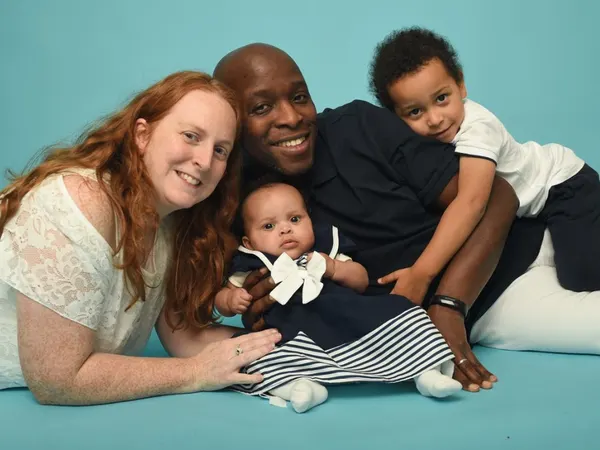

Becoming a foster carer - fostering assessment process UK

The Fostering Process in 5 Steps

The journey from initial enquiry to welcoming a child into your home typically takes around six months

📞
Step 1

Initial Enquiry

Get in touch to find out more about fostering. Ask any questions you have and receive an information pack from your chosen agency.

🏠
Step 2

Home Visit

A social worker visits your home for an informal chat about your circumstances, motivations and suitability to foster.

📚
Step 3

Training

Complete a preparation course covering child development, safeguarding, and life as a foster carer. Often delivered flexibly.

📋
Step 4

Assessment

An assessing social worker completes your Form F assessment, including checks, references and detailed conversations.

Step 5

Approval

A fostering panel of independent professionals reviews your assessment and makes a recommendation on your approval.

Each Step Explained

Here is what to expect at every stage of the fostering process

1

Initial Enquiry

Day 1 – No obligation

The initial enquiry is your opportunity to find out more about fostering and the application process. It will help you decide if fostering is something you want to pursue. You can contact agencies directly or use Think Fostering to compare agencies in your area.

At this stage, there is absolutely no pressure or obligation. The team will answer your questions, talk through what fostering involves, and advise on your suitability. You will also receive an information pack to take away and read at your own pace.

  • ✓ No obligation or commitment at this stage
  • ✓ Ask any questions about the fostering process
  • ✓ Receive an information pack to review
2

Home Visit

Within 1–2 weeks

The next step is for a social worker from the agency to visit you at home. This is an informal and friendly conversation, not an inspection. The visit will involve a discussion about your circumstances, your motivations to become a foster carer, and what daily life looks like in your household.

The social worker will talk through the rooms in your home, including the spare bedroom that would be used by a foster child. They will also explain the next stages of the process and answer any further questions you or your family may have.

  • ✓ Informal conversation in your own home
  • ✓ Discussion of your circumstances and motivations
  • ✓ Opportunity to ask questions face-to-face
3

Preparation Training

2–3 day course, flexible dates

You will be invited to attend a preparation training course, sometimes called 'Skills to Foster'. This course gives you a realistic insight into life as a foster carer, covering topics such as child development, attachment, safeguarding, managing challenging behaviour, and working as part of a professional team.

Training is often delivered flexibly, with options for in-person, online or weekend sessions to fit around your schedule. This period also gives you time and space to reflect, learn, and decide if fostering is the right path for you and your household.

  • ✓ Covers child development, safeguarding and attachment
  • ✓ Delivered flexibly to fit your schedule
  • ✓ Time to reflect on whether fostering is right for you
4

Fostering Assessment

3–4 months (Form F)

After completing your application form, you will be allocated an assessing social worker who will work with you to complete your fostering assessment, known as the Form F. This is a detailed but supportive process that explores your life history, relationships, parenting experience, health, and motivations for fostering.

During the assessment, mandatory background checks are carried out including enhanced DBS checks, medical assessments, and personal and professional references. The social worker will visit you at home several times and may also speak with your family members and referees.

  • ✓ Allocated a dedicated assessing social worker
  • ✓ Enhanced DBS, medical and reference checks
  • ✓ Several home visits and in-depth conversations
5

Panel Approval

Final stage – decision day

The final stage is the fostering panel review. The panel is a group of independent professionals, including experienced foster carers, social workers, and other specialists, who will read your assessment report and ask you questions about your application.

The panel makes a recommendation about your suitability to foster, which is then ratified by the agency decision maker. Once approved, you will be matched with a child and your fostering journey begins. Your agency will continue to support you with ongoing training, supervision and 24/7 support from day one.

  • ✓ Panel of independent professionals reviews your case
  • ✓ You attend to answer questions about your application
  • ✓ Once approved, matching with a child begins
Foster carer support - no pressure fostering process UK

No Pressure — Just Support

We understand that becoming a foster carer is a big decision, and there is absolutely no pressure on you to proceed if you decide it is not the right fit. Our role is to guide you through the process and provide all the support you need to make an informed decision.

At every stage of the journey, you are free to ask questions, take your time, and discuss your thoughts with your family. Many people take several months to decide before making their first enquiry, and that is perfectly normal.

Whether you are ready to start today or simply exploring the idea, we are here to help. Your first enquiry is completely free, confidential and without obligation.

Make a Free Enquiry →
How long does it take to become a foster carer UK

How Long Does It Take to Become a Foster Carer?

One of the most common questions we are asked is how long the process takes. While every situation is different, the fostering process typically takes around four to six months from initial enquiry to approval.

The timeframe depends on factors such as how quickly background checks are completed, your availability for training and assessment visits, and the particular requirements of your chosen agency.

If you are already an approved foster carer with another agency and wish to transfer, many agencies can fast-track the process significantly, as much of the assessment groundwork has already been completed.

Commonly Asked Questions About the Fostering Process

Thinking about fostering is a big step, and it is completely natural to have questions; the information below covers the most common topics, and if you would like to know more, please read our full FAQs or contact a member of the team using our contact form.

The Form F assessment is the formal, in-depth evaluation process that prospective foster carers complete before being approved. It is a structured report required under fostering regulations in England, designed to assess your suitability to provide safe, stable and nurturing care. During this stage, an assessing social worker will visit you regularly at home to explore your background, parenting experience, lifestyle, health, relationships and support network.

You will discuss your own childhood experiences, how you manage stress, your values and how you would respond to different scenarios. The assessment also includes references, medical checks and background screening. Although detailed, the Form F process is supportive rather than intrusive, and it allows you time to reflect on whether fostering is right for you while preparing for panel approval.

  • Form F assessment fosteringA structured assessment of your suitability to foster
  • fostering assessment processIncludes home visits, interviews and detailed discussions
  • fostering panel UKForms the report presented to the fostering panel

Safeguarding is central to fostering, so a range of statutory checks are completed during the assessment. All applicants and adult household members must undergo an enhanced DBS check. A full medical assessment is also required, completed by your GP, to confirm your health allows you to meet the physical and emotional demands of fostering. Personal references are taken up, usually including friends, employers and sometimes former partners.

Social workers will also carry out local authority checks, health and safety assessments of your home, and interviews with other household members. These checks are not about catching people out, but about ensuring children are placed in secure and stable environments. Transparency and honesty throughout the process are essential, and any concerns are discussed openly before decisions are made.

  • DBS check fosteringEnhanced DBS checks for all adult household members
  • fostering medical assessmentMedical assessment completed by your GP
  • fostering background checksReferences and local authority safeguarding checks

The fostering panel is an independent group that reviews your completed Form F assessment and makes a recommendation about your approval. The panel usually consists of experienced professionals such as social workers, education representatives, healthcare professionals and independent members with fostering experience. You will normally be invited to attend part of the meeting so that panel members can ask questions and better understand your motivations and readiness.

The atmosphere is professional but supportive, and the purpose is not to test you but to ensure that approval decisions are robust and child-centred. After discussion, the panel makes a recommendation regarding your approval and any conditions, such as age range or number of children. The final decision is then formally made by the agency decision maker. Most applicants who reach panel stage successfully achieve approval.

  • fostering panel UKIndependent panel reviews your assessment report
  • fostering approval processYou are usually invited to attend and answer questions
  • how to become a foster carerPanel recommends approval terms for final decision

Yes, foster carers can transfer between agencies, and this process is known as a transfer assessment. Transfers may occur for various reasons, including relocation, seeking improved support, or changes in placement availability. The transfer process is guided by national fostering regulations to ensure children's stability is protected.

If you currently have a child placed with you, discussions will involve the placing authority to ensure the move does not disrupt the child's care plan. The new agency will complete an assessment, although it is often shorter than an initial Form F as much information is already available. Carers considering a transfer should speak openly with both agencies to understand the implications and timescales.

  • transfer fostering agencyTransfers are permitted under fostering regulations
  • fostering agency transferChild stability is prioritised during the process
  • change fostering agencyA new assessment is usually required before approval

Matching is a carefully planned process that aims to provide the best possible fit between a child and a foster family. When a child requires placement, detailed information is shared with agencies including their age, background, health, education needs and any known risks. Agencies compare this against the profiles and approval terms of available foster carers, considering experience, household composition, location, cultural background and emotional needs.

Wherever possible, carers are given full information before making a decision and have the opportunity to ask questions. The aim is not simply to find an available bed, but to create a placement where the child can feel safe and supported long-term. Careful matching reduces placement breakdown and improves stability. In emergency placements, time may be limited, but safeguarding and suitability remain the guiding principles.

  • foster care matchingMatching considers child needs and carer strengths
  • fostering placement matchingCarers receive information before accepting placements
  • how are foster children matchedStability and suitability are prioritised over speed

Ready to Take the First Step?

The fostering process begins with a single enquiry. Get in touch today and a member of our team will guide you through everything you need to know.

Make an Enquiry →