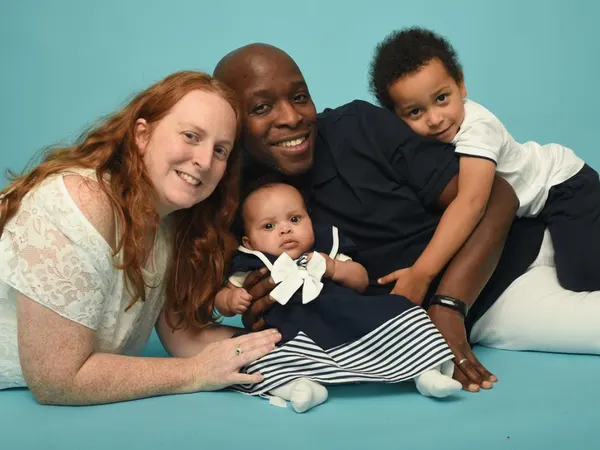
Think Fostering is your hub for everything fostering. We help connect potential foster carers with trusted agencies in their area, because every journey starts with a single step.
Children in care in the UK
Fostering agencies listed
Free to use
Think Fostering was created to make the fostering journey simpler. Whether you're just starting to think about fostering or you're ready to take the next step, we're here to guide you in the right direction.
We connect potential foster carers with trusted, registered fostering agencies across the UK, all in one place.
Find agencies near you with our postcode search
Every agency listed is Ofsted registered and vetted
Guides, FAQs, and articles to help you on your journey
Fostering is a way of providing a stable, loving family life for children and young people who are unable to live with their own families. A dedicated foster carer can change a child's life.
Fostering gives children a chance to thrive in a safe, secure, and loving home environment. Every year, tens of thousands of children across the UK need foster carers, and you could be one of them.
Learn More →
Fostering is a way of providing a stable family life for children who can't live with their birth parents. It can be short-term, long-term, emergency, or specialist, and there's a type to suit everyone.
Learn More →
The journey to becoming a foster carer starts with a simple enquiry. From there, you'll receive training, assessment, and ongoing support, we'll be with you every step of the way.
Start Your Journey →There are many different types of fostering, each suited to different children and carers
Providing a temporary home for a child while plans are made for their future, usually lasting a few weeks to months.
Giving a child a stable, permanent home when they can't return to their birth family. You become their family for years to come.
Providing immediate, safe care for children removed from dangerous situations, often at very short notice.
Short breaks for existing foster families, giving them time to recharge while you care for a child they know and love.
Supporting a parent and their child together in your home, helping the parent develop their parenting skills.
Caring for children with complex needs, disabilities, or those who have experienced significant trauma.
Real stories from people who started their fostering journey with us
"Think Fostering made it so easy to find the right agency. Within a week of searching, I was speaking to an amazing team who guided me through every step. I couldn't recommend it more."
"I'd been thinking about fostering for years but didn't know where to start. This site gave me all the information I needed and connected me with a local agency. Best decision I ever made."
Your fostering questions, answered in detail
Thinking about fostering is a big step, and it is completely natural to have questions about eligibility, support, payments, training and what everyday life as a foster carer involves; the information below covers the most common topics to help you feel informed and confident, and if you would like to know more, please read our full FAQs or contact a member of the team using our contact form.
Almost anyone who feels ready and committed to providing safe, nurturing care for a child can explore becoming a foster carer. You must typically be 21 or older, have the right to live and work in the UK, and be able to demonstrate that you can meet the emotional, physical and practical needs of a child.
Agencies look for carers from diverse backgrounds, including single people, couples, renters or homeowners, and those with or without biological children. Your personal qualities such as patience, resilience and empathy are often the most important factors, alongside practical checks like background vetting.
Yes, having a spare bedroom is usually one of the fundamental requirements for fostering in the UK. A child or young person in foster care must have their own space where they can sleep, feel secure and develop a sense of belonging in your home. The spare room must meet safety standards and be big enough to accommodate a bed, wardrobe and other furniture suitable for the age of the child.
This requirement helps ensure that children have privacy and a sense of ownership over their new living environment, which is important for their wellbeing and adjustment. Agencies may consider some flexibility around very young children in exceptional circumstances, but in most cases a designated bedroom is mandatory.
Many people assume fostering means giving up employment, but that is not always true. It is possible to foster while working, but your work schedule needs to be compatible with your responsibilities as a carer. Foster children need consistent presence and support, access to meetings with social workers, school activities, medical appointments and emotional availability.
If you are part of a couple, it is common for one person to work full-time while the other provides primary care, or for work hours to be flexible around fostering duties. Some people choose to offer respite or weekend fostering if full-time work cannot be adjusted. Agencies will discuss your situation individually to find the right approach.
Yes, foster carers are paid through a combination of allowances and, in some cases, additional fees. The primary payment is a weekly fostering allowance designed to support the day-to-day costs of a child's care, including food, clothing, education needs and activities. The exact amount varies by region, agency and the child's age and needs.
In addition to the basic allowance, carers may receive fee payments or skills payments recognising their experience, training and professional input. There are also often reimbursements for specific costs and tax arrangements that make fostering financially manageable. While fostering is not a conventional salaried job, the financial support enables you to provide high-quality care without undue financial stress.
Absolutely, many foster carers also have their own children. Living with biological children is not a barrier to fostering, and agencies value varied family environments that can benefit children in care. What matters most is that your family, including your own children, are supportive of the fostering process and ready to welcome another child into your household.
During the assessment, your children's views and readiness will be considered to ensure everyone's wellbeing. Having children of your own can be a strength, giving you insight into parenting challenges, routines and developmental stages.
Having a criminal record does not automatically rule you out from fostering, but it is something that must be openly declared and discussed. Prospective carers undergo enhanced Disclosure and Barring Service (DBS) checks, which look at cautions and convictions in full and help agencies assess suitability.
Minor and old convictions may not be disqualifying, especially if they are not related to harm or risk to children. However, serious offences, particularly those involving violence or sexual harm, generally prevent fostering approval because safeguarding children is paramount. Open communication during assessment is essential.
The fostering assessment is a thorough process designed to ensure that you, your home and your family can safely care for a child. In most cases, this assessment takes around four to six months, though timescales can vary depending on your availability, the speed of background checks and the agency's procedures.
During this period, you will complete preparatory training, have interviews and home visits with a social worker, and gather references and documentation. The social worker will compile a detailed report that is then reviewed by an independent panel before a final decision is made.
Yes, single people are encouraged to foster and can make excellent foster carers. There is no requirement to be married or in a relationship to foster a child in the UK. Agencies look for stable, supportive individuals who can provide the time, care and emotional support that children need, regardless of marital status.
It is helpful for single applicants to have a strong support network of friends, family or community connections. Fostering as a single carer can be deeply rewarding, giving you the opportunity to focus fully on a child's growth and stability.
Smoking itself does not automatically disqualify you from becoming a foster carer, but agencies treat it seriously because of children's health and safety. Smoking inside the home or in vehicles where a foster child would be exposed is generally not acceptable, particularly for very young children.
Fostering services will discuss your smoking habits during assessment and may require plans for smoke-free areas or demonstrate steps taken to protect children from second-hand smoke. Smokers can still foster if they can show they understand and manage health risks appropriately, often by smoking outside and ensuring children's spaces are completely smoke-free.
Support for foster carers is a major part of the fostering journey, and you are never alone once approved. You will be allocated a supervising social worker who regularly visits, advises and supports you and the child in your care. Foster carers typically have access to ongoing training, peer support groups and 24/7 emergency contact lines.
Financial support comes through allowances and, in many agencies, additional payments or reimbursements. Some agencies also provide specialised training, mental health or therapeutic services, and respite care opportunities, meaning there is a network of practical and emotional support designed to help carers feel confident, competent and valued.
Yes, you can express preferences about the age range of children you feel most confident caring for, and this is discussed openly during your assessment and matching process. Some people feel more suited to babies or young children, others to older children or teenagers, and agencies will work with you to consider the ages that fit your skills and life circumstances.
While your preferences are taken seriously, the final matching decision also takes into account the needs of children waiting for homes and whether your experience and household can meet those needs. The goal is always to find the best fit between child and carer.
No, you do not need to own your home to foster a child. Renting is perfectly acceptable as long as you have a secure tenancy agreement and the landlord's permission to foster. Foster agencies will assess whether your home is stable, safe and suitable for a child, including having adequate space and a spare bedroom.
Whether you rent or own, the priority is the quality of the home environment rather than ownership status. Many successful foster carers rent their homes and provide loving, supportive spaces for children in care. You just need to demonstrate that your accommodation meets fostering standards.